Packaging design for a product range: how to build an SKU system
A practical guide to packaging systems: SKU architecture, hierarchy, color coding, barcodes, e-commerce assets, and shelf testing.
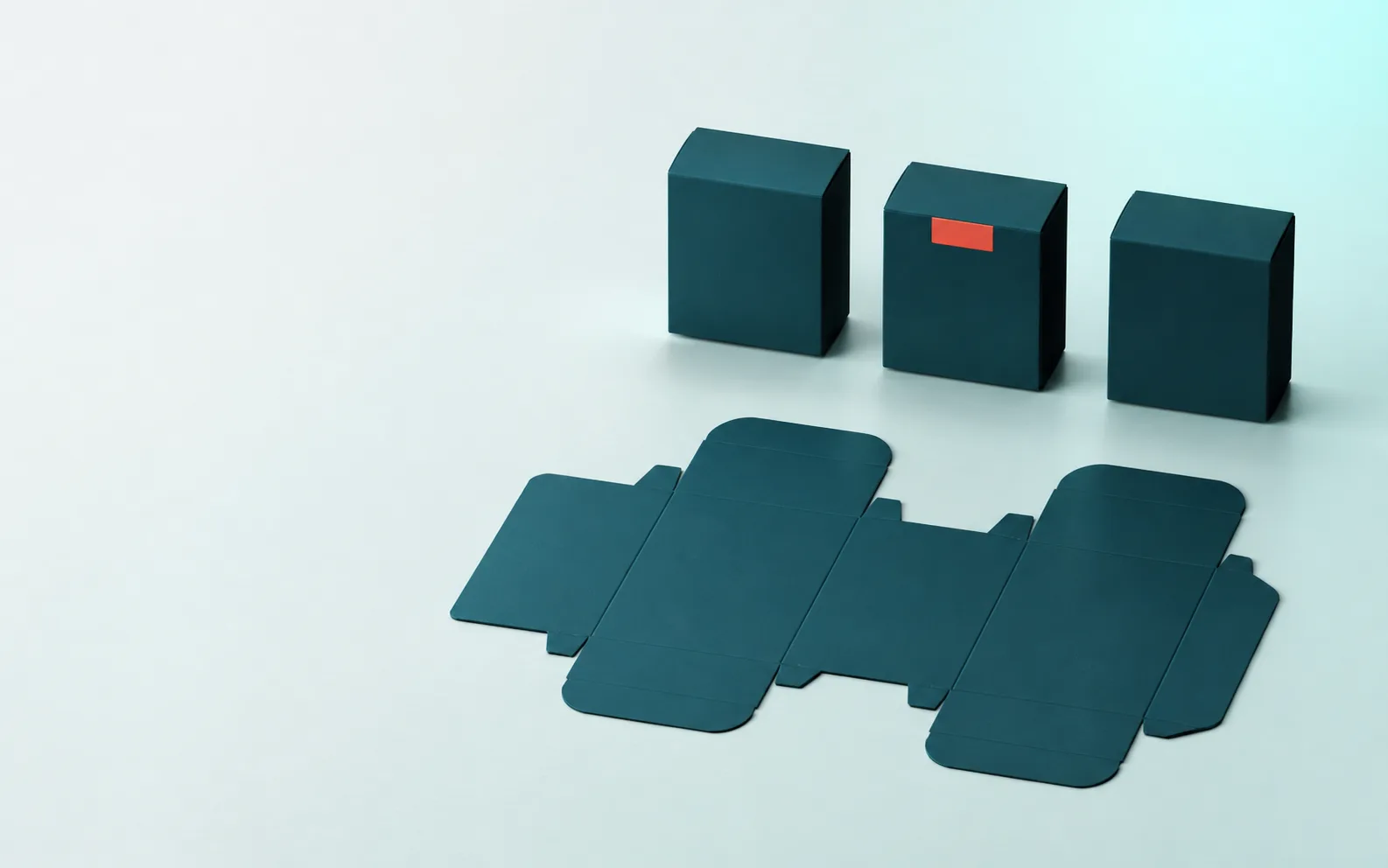
One attractive pack is not yet a range
A single pack can revolve around one strong image. A range must absorb new flavors, sizes, formats, and audiences without losing recognition. Without rules, each SKU becomes a new design exercise and the shelf looks like unrelated products.
A working system answers three questions quickly: who made it, what kind of product it is, and which exact variant is shown. Brand, category, and variant layers need an explicit hierarchy.
Start with an SKU matrix, not a palette
Map the current assortment and realistic extensions for the next one or two years. Record flavor, format, weight, audience, channel, structure, and mandatory copy. This reveals the attributes that genuinely differentiate products.
| Layer | Fixed | Variable | Risk |
|---|---|---|---|
| Brand | Logo and core composition | Sub-brand or series | Lost recognition |
| Product | Category name | Flavor, type, purpose | Variant confusion |
| Format | Grid principle | Weight and structure | Layout cannot scale |
| Labeling | Technical zones | Ingredients, dates, warnings | Late changes |
| Channels | Key visual | Shelf, marketplace, bundle | Design works only in mockups |
Define hierarchy and differentiation rules
Color coding is fast, but colors shift across print, screens, and lighting. Repeat important distinctions with a name, stable graphic marker, number, or shape so the range also works for people with color-vision differences.
Fixed elements create recognition; variable elements support selection. Define long-name behavior, sticker space, and limited-edition treatment before they are needed.
- one primary front-panel differentiator;
- a text equivalent for color or illustration;
- consistent positions for weight, flavor, and promise;
- room for long names and new structures;
- specific rules for editions and bundles.
Barcodes and product data belong to the system
GS1 ties GTIN changes to cases where a product variant must be uniquely identified across trade and supply chains. Identifier decisions belong to the data owner and production team. Barcode placement depends on pack shape, print zones, and scanning.
E-commerce variants need aligned titles, identifiers, prices, availability, and images. Google Merchant Center expects the main image to show the advertised item accurately, so a master system needs both print and digital outputs.
Test the system at four scales
Test in the hand for legibility, on the shelf for recognition, on screen as a small thumbnail, and in production for bleed, safe zones, technical areas, and variable data.
Ask unbriefed participants to find a specific SKU. Search errors provide better evidence than aesthetic preference.
DOM: turning an image into a family
For the DOM drip coffee range, a shared composition and character hold the brand together while repeatable variables distinguish products. Packs can form bundles without visual noise.
Range architecture and hierarchy came before imagery. That order allows the assortment to grow after launch.
Production and sales handoff checklist
Define who creates a new SKU, where the master lives, who verifies data, and which assets commerce teams receive.
- approve the SKU matrix and extension rules;
- review mandatory labeling;
- match GTINs and barcodes to variants;
- review physical or color-accurate proofs;
- prepare commerce imagery;
- document fixed and variable elements.
Common questions
How many colors should a range use?
There is no universal limit. Coding must remain distinct, printable, and backed up by text or another stable marker.
Does every flavor need a separate design?
It needs a distinct variant within one system. A wholly new composition is justified only by a different product architecture.
When should a GTIN change?
It depends on the product change and GS1 rules. The product-data owner should confirm the decision.
How can packaging be tested before print?
Build it at real size, review a proof or prototype, place it among competitors, and inspect its smallest commerce thumbnails.