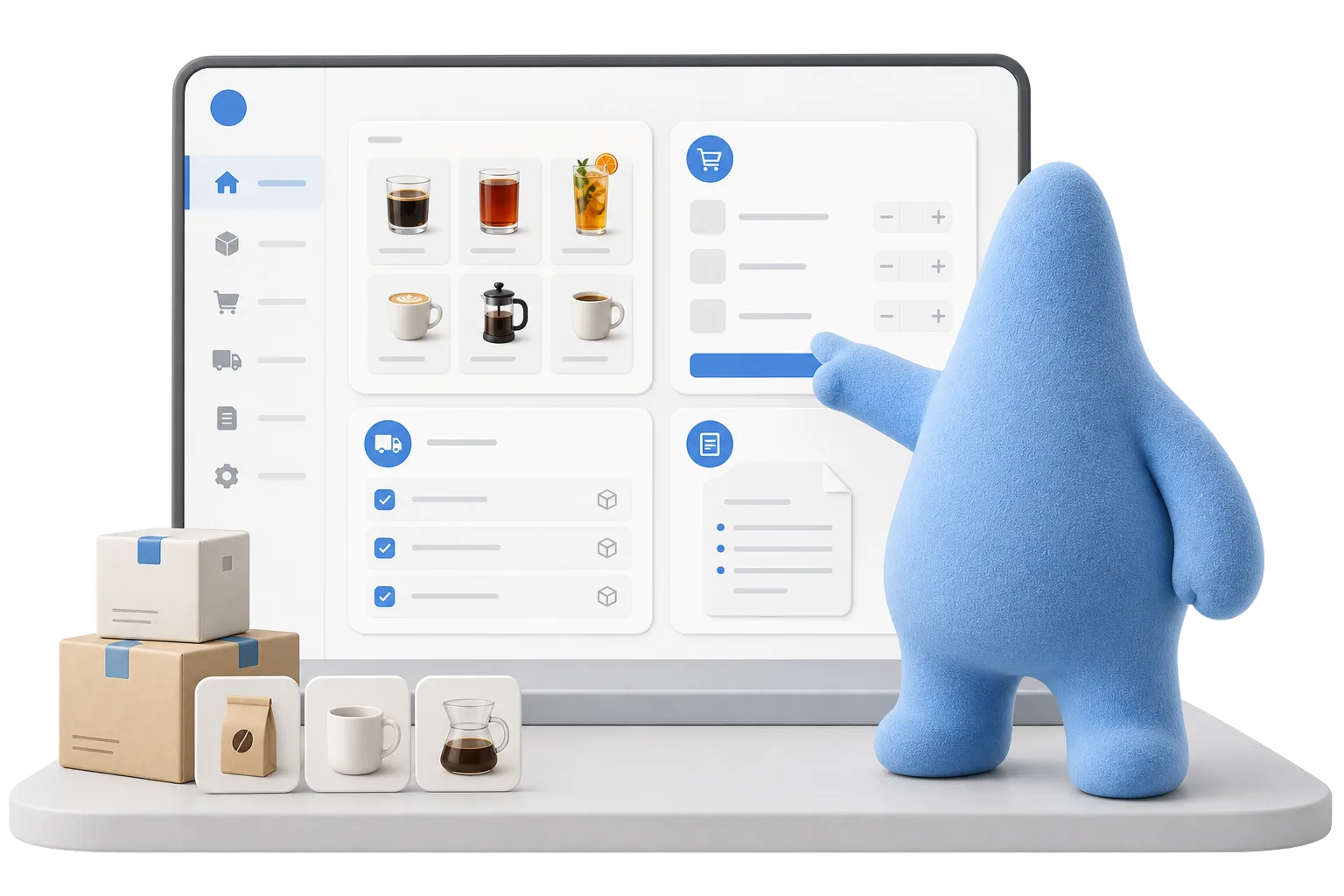
data models in the product system
Case 01 / Digital product
DWG Platform
A single operating environment for the coffee business — from ordering beans and receiving deliveries to drink quality, service, and P&L.
Open the sitecore roles: barista, manager, and director
connected functional modules and workflows
single platform instead of scattered processes
The task was to bring scattered processes together into a single operating environment.
A coffee business runs on many connected processes: supply, labeling, recipes, training, equipment service, and financial control. When each one lives in a separate spreadsheet or chat, the company loses time and control.
We brought these processes into a modular product: we studied the roles, mapped user journeys, designed the interfaces, and built the PWA, the server side, the data model, integrations, and the public platform site.
One working rhythm
We turned the chaos of daily tasks into clear actions.
The platform connects people, data, and processes so the team works with the situation instead of switching between a dozen services.
01 / Instead of crunch
One source of truth for daily work.
Deliveries, requests, messages, and important statuses no longer get lost between chats, spreadsheets, and calls.

02 / In one system
Every operational role works in its own context.
Barista, manager, and director see the actions they need, yet stay inside one shared process and a single data model.

03 / On the floor
Drink quality becomes a repeatable process.
Recipes, checklists, bean batches, and equipment settings help the barista hold the standard of every cup.
04 / In detail
A working tool that keeps the café's rhythm.
Equipment, service, and daily rituals are collected into scenarios that are easy to complete right during a shift.
05 / For the director
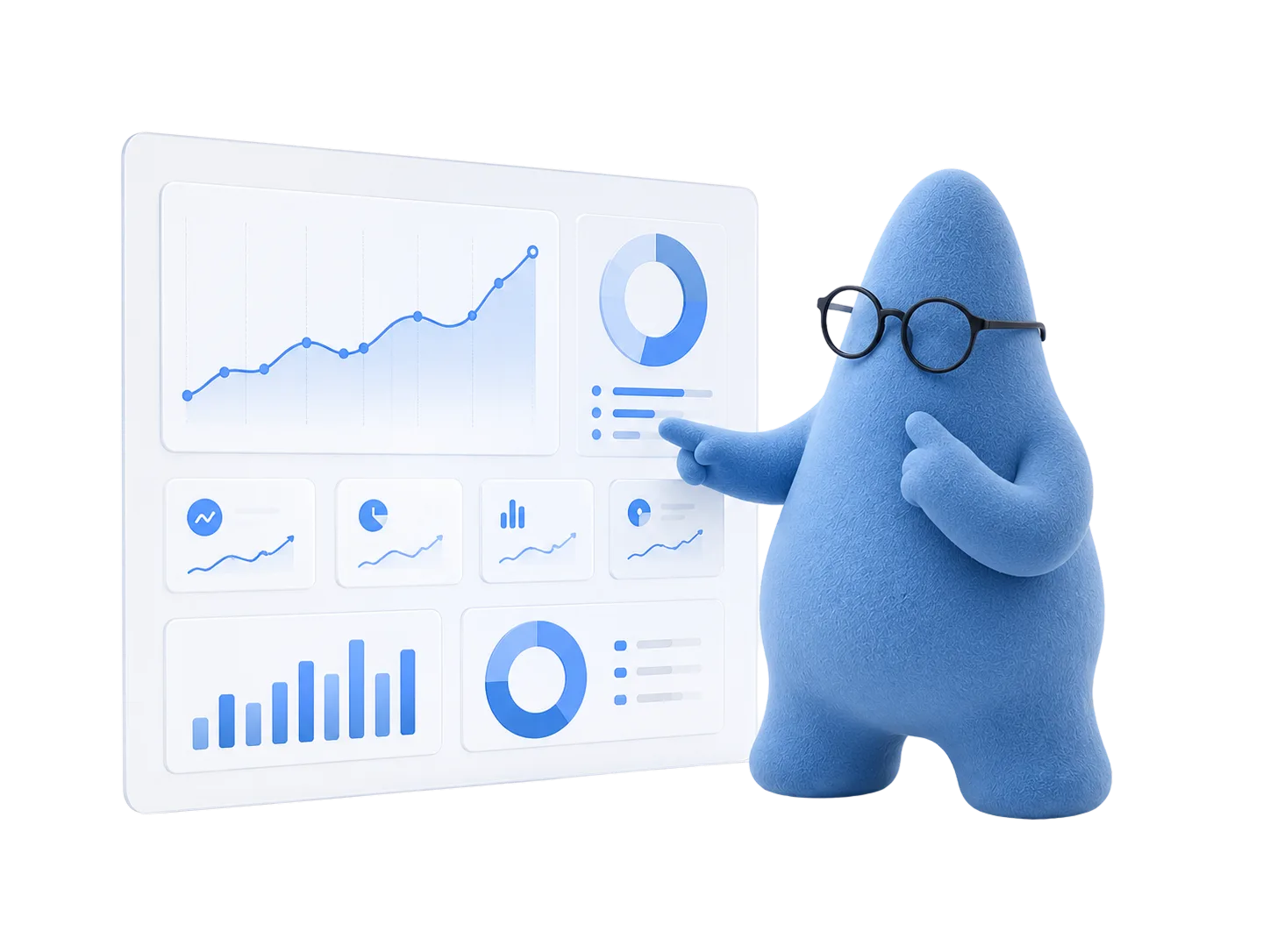
Decisions rest on data, not guesses.
Summaries, P&L, debt, and process dynamics give the director a complete picture across the company and its clients.
06 / For growth
Training is built into the specialist's path.
RED Academy connects learning modules, tests, and a barista's progress to the team's real work.

Users
One product — three different working days.
Each role sees only the actions and data it needs, while working inside one shared system.
01 / Barista

Shift and quality
Recipes, checklists, tastings, bean batches, equipment, and training — in an interface built for daily work.
02 / Manager
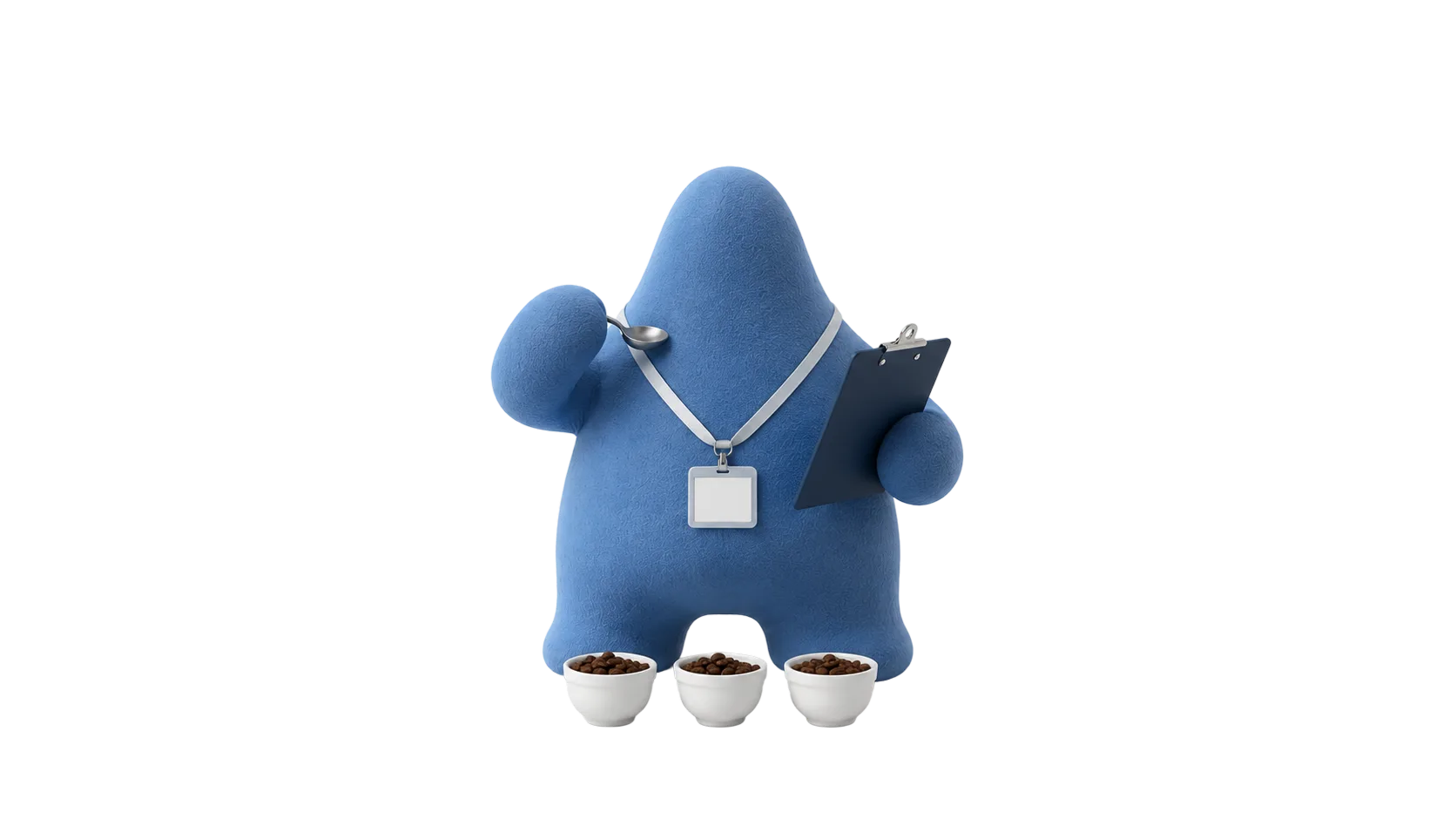
Clients and operations
Orders, offers, deliveries, service requests, plans, and commitments across the entire assigned client base.
03 / Director
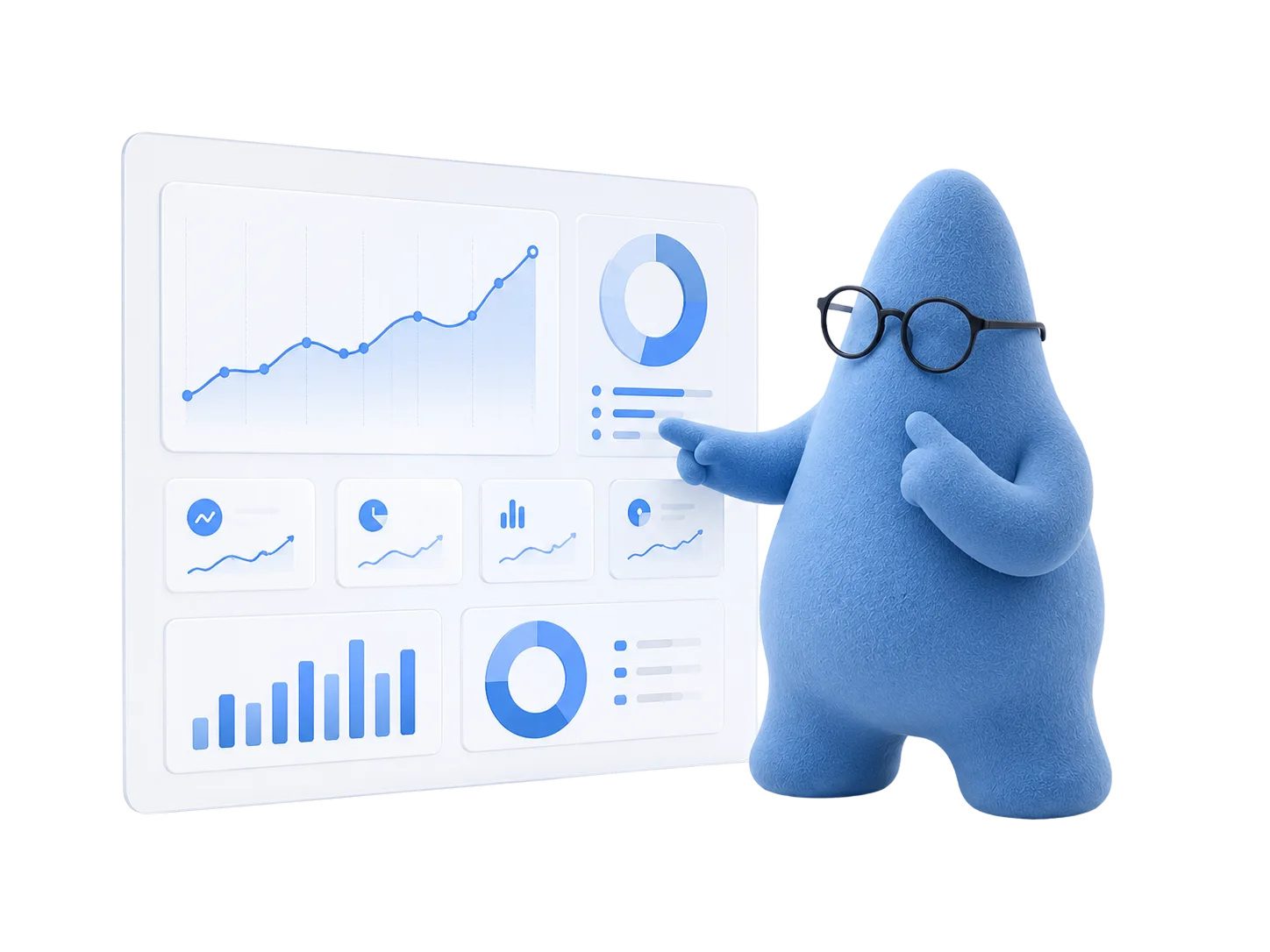
Control and decisions
Financial summary, P&L, debt, process dynamics, and an AI assistant for working with data and the team's commitments.
What we built
The platform covers the whole operational loop.
The modules are linked by a shared data model, roles, and business rules — not a set of disconnected screens.
Orders and supply
A catalog with the assortment and prices for a specific company, a cart, approvals, order statuses, manager offers, and 1C sync.
Receiving and labeling
Scanning Data Matrix and GS1, checking against delivery documents, recording discrepancies, correction requests, and handling veterinary documents.
Drink quality
A recipe library, standards from chain to store, dial-in, roast batches, degassing, FIFO, water, and shift tastings.
Equipment and service
An equipment registry, requests with photos and geolocation, SLA, service history, scheduled maintenance, and Bitrix integration.
RED Academy
Learning levels, modules, tests, grades, and certificates — with a clear growth path for a barista.
Finance and management
Invoices, payments, receivables, client P&L, manager plans, commitment control, and a manager's AI assistant.
Product in action
A living interface. Real working scenarios.
Four short demos show how the key parts of the platform work.
Catalog and supply
Assortment, prices, order lines, and the checkout flow.
Financial summary
P&L, metrics, and the client's management picture.
Drink quality
Recipes and standards for a consistent result on the floor.
RED Academy
Learning modules and a specialist's progress inside the platform.
Architecture
A big product must stay manageable.
We built a modular architecture with shared contracts, data validation, and access control.
React PWAAstroBunHonoPostgreSQLPrismaZodTanStack QueryYandex Cloud
Role-based access and data isolation between organizations
JWT sessions, action audit, and rate limiting
Shared typed contracts between client and API
Background jobs, notifications, and direct uploads to S3
Integrations with 1C, Bitrix, and external services
Offline scenarios in the working checklists
Outcome
The business felt the difference.
Operations no longer depend on spreadsheets, chats, and calls — and quality standards became manageable.
×2
faster manual reconciliation of delivery documents and switching between services
×3
faster order approval and delivery receiving
Before the platform, our operations lived in spreadsheets, chats, and calls — ordering beans, receiving, recipes, equipment service, training, and finance all existed separately. DUO MESH brought it all into one product the whole team actually uses, from the barista on shift to the director. Cup quality became a repeatable standard, and company decisions are now made on data, not on gut feeling.